
Facade
Facade commissioning for Dubai projects — a working envelope at handover
Operable facade components that do not function at handover stall sign-off and keep the defect register open. M&M commissions the envelope to complete integrity and function — Australian tier-1 discipline, now available to Dubai projects.
What it is
The scope, done right
Handover stalls when the envelope does not work. M&M is an Australian services group with 25 years in the trade, tier-1 Australian delivery, 90+ staff and an Australian roster that includes One Sydney Harbour, Crown Towers Sydney and Quay Quarter Tower. Facade commissioning brings operable components to complete integrity and function — re-engaged, replaced or installed — with panels prepared under ITP before installation and handover defects closed with documented evidence. That capability is now available to Dubai projects, delivered to the project specification and applicable UAE codes.
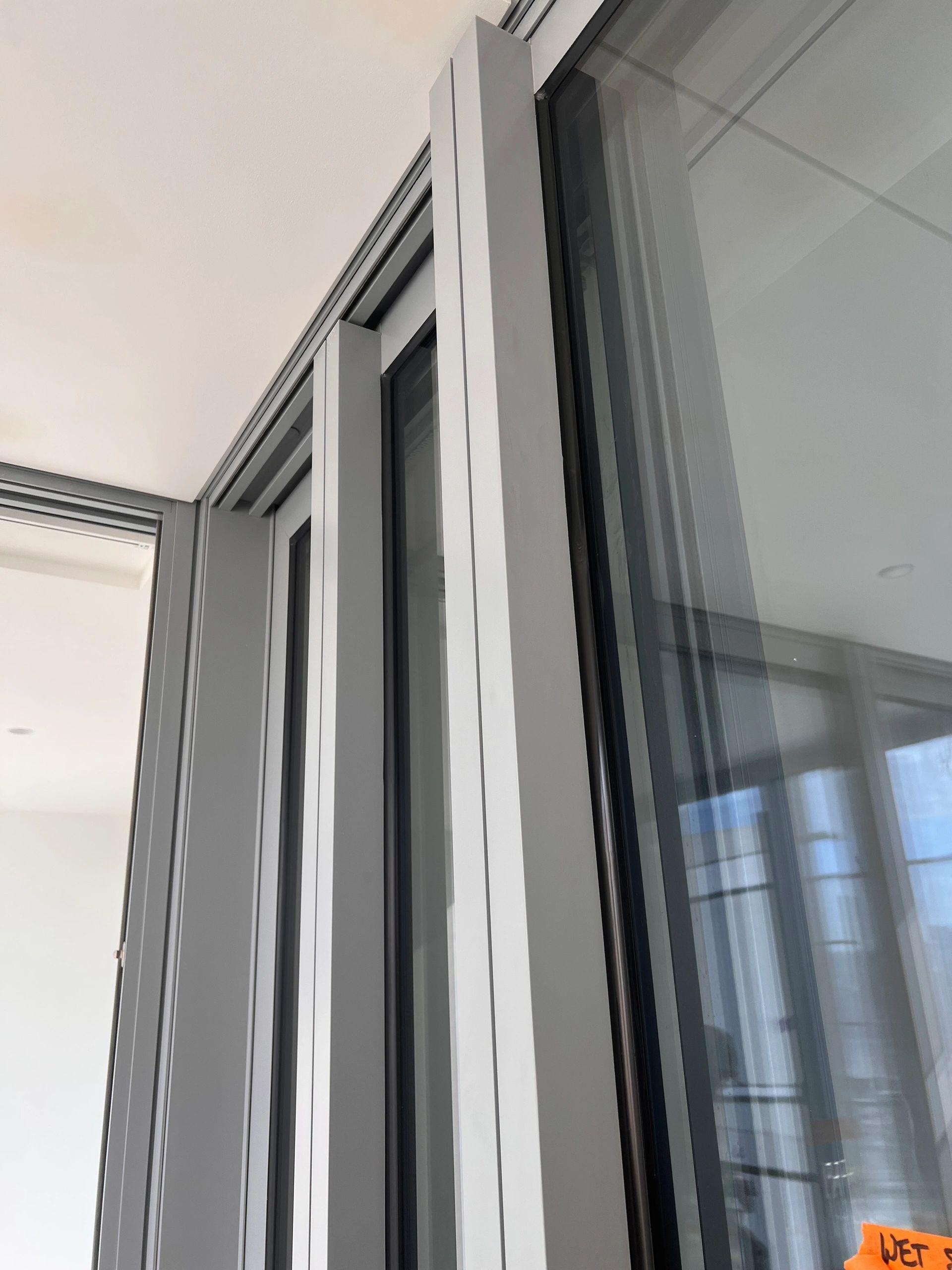
Facade commissioning is the step between a facade that is installed and a facade that works. Panels can be fixed and weathertight and still fail at handover because operable components have never been brought to their design intent — awning and sliding vents left static, restrictors and hardware never set, louvres and shading elements that do not move as specified. M&M brings these components to full function through three documented steps: re-engaging components rendered static during installation, replacing damaged or faulty components, and installing any additional components required after the initial install — each one inspected and function-tested against an inspection and test plan.
For a main contractor closing out a tower, the facade is among the last packages on the critical path, and every open envelope item on the defect register is visible from the ground. Components are frequently locked down during installation to protect them or to suit the build sequence, and following trades damage what the facade company has already handed over. Commissioning converts that register into closed, evidenced items: each component surveyed against the design intent, brought back to function, and signed off at agreed hold and witness points — quality-assurance practice that keeps the handover programme moving.
Upstream of on-site commissioning sits pre-launch panel preparation, delivered under a project inspection and test plan. Panels and components are prepared and verified before the facade is installed, so exterior work once a panel is fifty storeys up is kept to a minimum. Catching a finish defect, a missing component or a hardware fault on the ground — where access is inexpensive and safe — rather than from a rope, BMU or swing stage is the single biggest lever on both cost and programme.
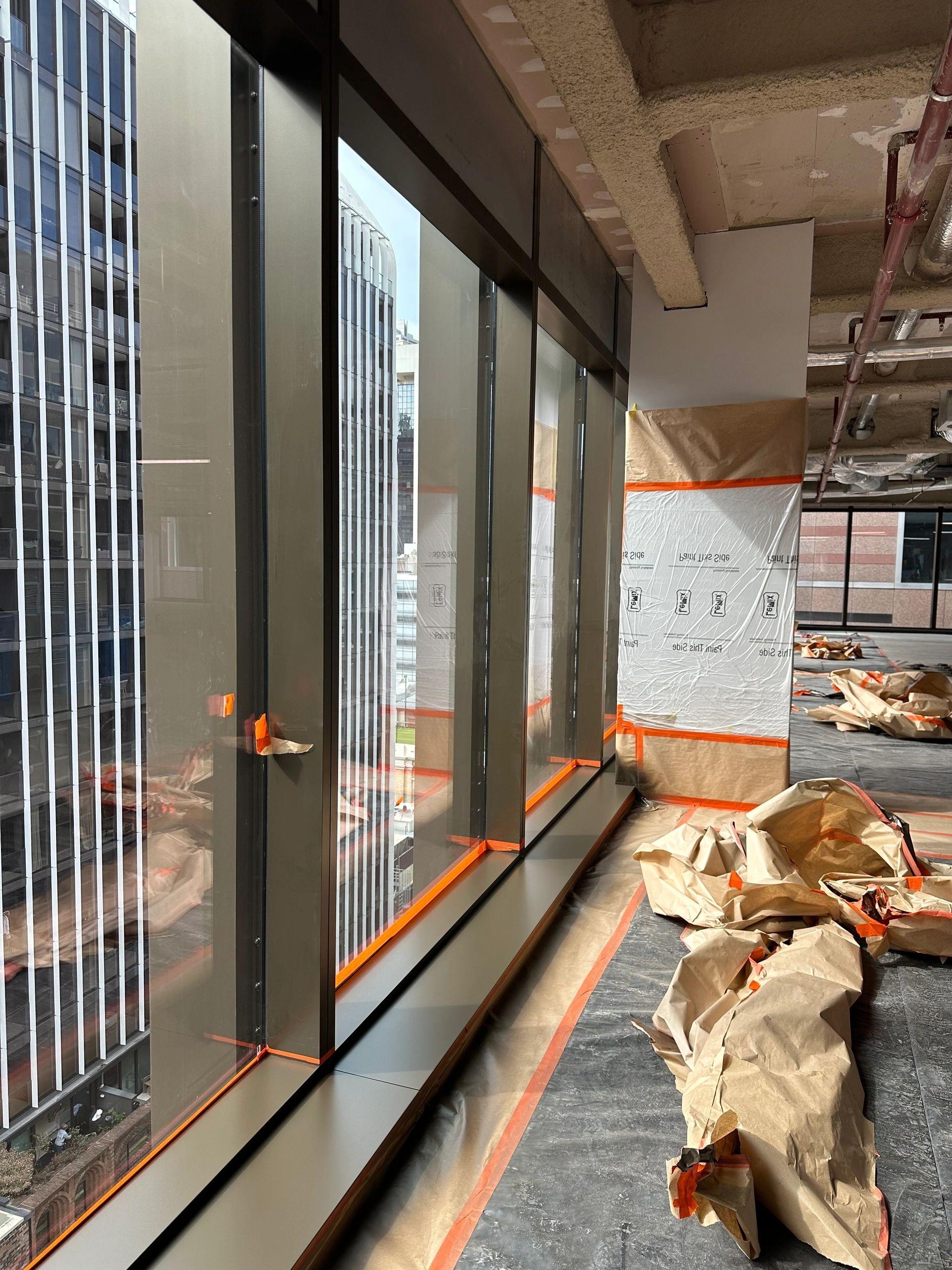
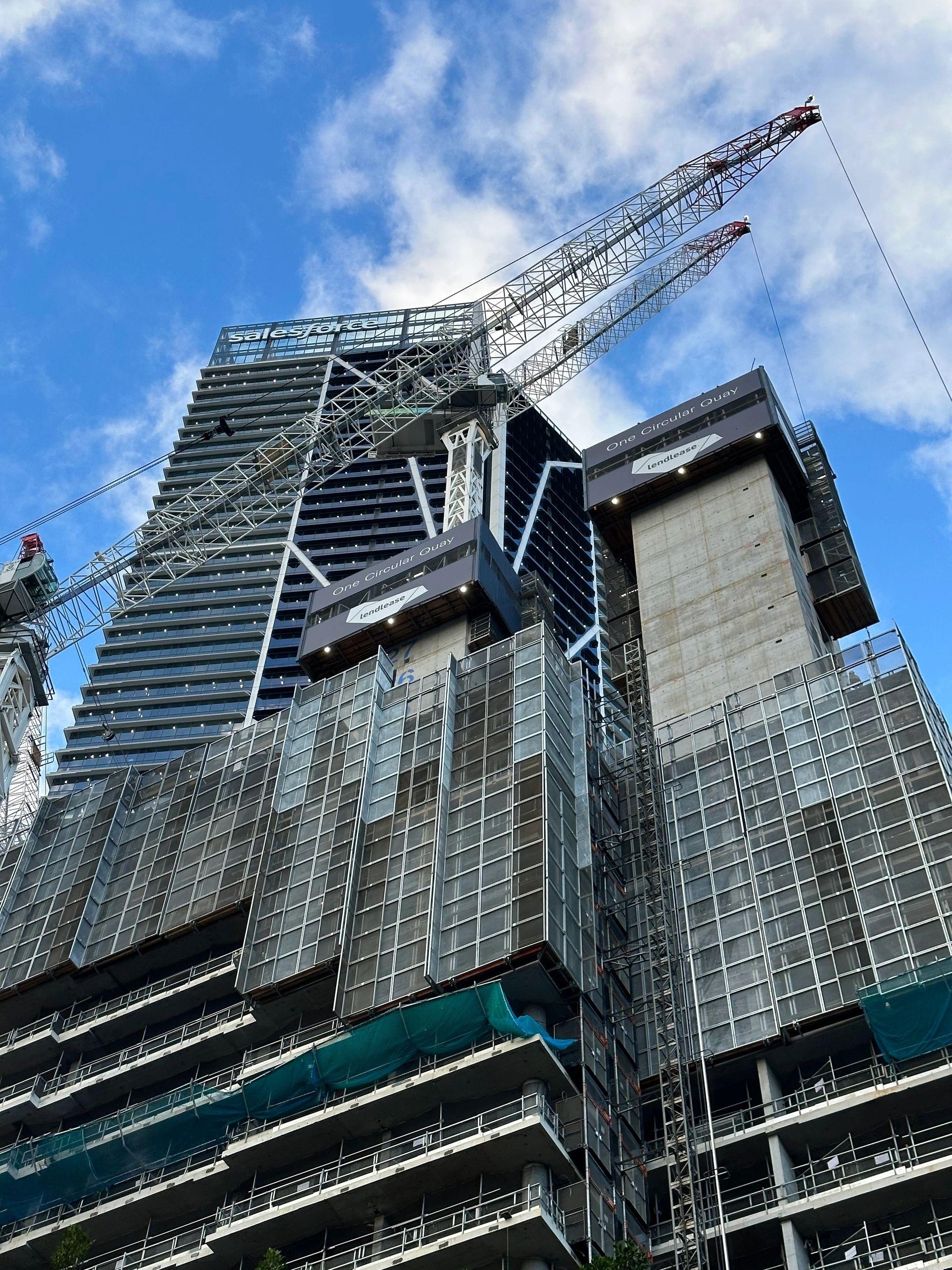
That discipline was built over 25 years in the trade on Australian tier-1 projects. Formerly M&M Spray Painting, the group now fields 90+ staff, and its Australian roster includes One Sydney Harbour, Crown Towers Sydney, Quay Quarter Tower, One Circular Quay and Western Sydney International Airport. Dubai methods and acceptance points are set against the project specification and applicable UAE requirements. Coastal Australian high-rise work — sun, salt and weather acting on the envelope — is relevant experience for the demands a Gulf facade places on operable components and finishes.
For Dubai projects, M&M plans project-specific teams under quality-control managers, with day and night shifts available to suit the programme. Where work at height is required, the access method is scoped separately against the building and project arrangements. Every agreed scope runs under ITP documentation, with live project records and time-stamped images shared with the client on OneDrive.
What's included
Everything this scope covers
- Re-engagement of operational components rendered static during installation
- Replacement of damaged or faulty facade components, finish-matched to the facade
- Installation of additional components required after the initial install
- Facade pre-launch panel preparation delivered under a project pre-launch ITP
- Condition survey of the envelope against the defect register
- Inspection and function-testing of operable elements — vents, sashes, louvres, hardware and restrictors
- On-site colour-matching onto the actual product before any mass application
- Make-good of affected finishes across powdercoat, anodised and mill-finish metals, steel and glass
- Rectification of weather seals, gaskets and movement joints where they affect a component's function
- ITP documentation with agreed hold and witness points
- Live project records and time-stamped images available to the client on OneDrive
- Day and night shifts and surge labour to hold the handover programme
What this fixes
The handover risks this scope removes
Handover stalled by a non-working envelope
Inoperable vents, unset hardware and damaged components on the critical-path facade block practical completion and the completion approval. Commissioning brings each one to its design function and closes it against the register, so sign-off is not held hostage by the last trade up the building.
No clear record of a component's condition
When following trades damage installed facade components, a clear record of what happened and when is what a serious handover needs. Time-stamped, documented images of the condition and the works give the builder a complete quality-assurance trail for each component.
Coordinating a five-trade make-good
Envelope close-out touches finishing, sealing, glazing, metals and hardware. Running it as one bundled package with one project manager removes the interface management and the programme gaps that open up between separate subcontractors.
Replacement cost and lead-time
Re-engaging and repairing a component in place avoids reordering a bespoke facade part on a lead-time the programme cannot absorb — you keep the component, the date and the budget line, and only replace what genuinely cannot be restored.
How we do it
A documented method, every time
Survey & condition assessment
Walk the facade against the defect register and the design intent, identifying components that are static, damaged, faulty or missing. Each item is logged, and hold and witness points are set with the Engineer so nothing is closed without evidence.
Sample & on-site colour-match
Where a finish is affected, the colour is matched on site onto the actual product — powdercoat, anodised or mill-finish metal, steel or glazing bead — and approved before any mass application, so a replaced or repaired component disappears into the facade.
Method statement & ITP
An approved methodology and inspection and test plan are issued for the scope, defining how each component is re-engaged, replaced or installed, and the hold and witness points at which the CA signs off — the framework the whole scope is measured against.
Execute — re-engage, replace, install (day or night)
Project-specific trained tradespeople under quality-control managers work the three commissioning steps to the method statement, on day or night shift as the programme demands, with labour surged when the defect list grows near close-out.
QA, function-test & documentation
Every commissioned component is inspected and function-tested against the ITP, and the work is captured in live records and time-stamped images loaded to OneDrive — the quality-assurance pack for sign-off and a complete record of each component.
Sign-off & close-out
A joint walk with the Engineer closes the commissioned items against the register, and the documented ITP and image record is handed over to support practical completion and the defects liability period.
Why it holds up
Evidence, not assurances
A documented three-step process
Re-engage, replace, install — a defined path to complete integrity and functionality, run to a method statement and ITP rather than an ad-hoc punch-list, so the CA knows exactly what is being closed and how.
A complete quality-assurance record
Live project records and time-stamped images on OneDrive, available at any time, give the builder quality-assurance evidence for sign-off and a full, traceable history of every commissioned component.
Colour-matched on the actual product
Replaced and repaired components are colour-matched on site, onto the real substrate, before mass application — so a commissioned component reads as original, not as a patch in the facade.
Quality moved upstream with pre-launch ITP
Preparing and checking panels under a pre-launch ITP before installation keeps exterior rework at height to a minimum — the cheapest and safest place to catch a fault is on the ground.
One agreed package across the whole envelope
Finishing, metals, glass, sealing and hardware handled by a single accountable team and one project manager — the builder coordinates one party through close-out, not five.
Throughput that matches the programme
Project-specific trained trades under quality-control managers, backed by a 90+ strong Australian workforce; resourcing and shift pattern for each Dubai package are confirmed before appointment.
Proof
Case studies featuring this service
Dubai service areas
Popular areas for facade commissioning
Start with a local scope page, or send us the site address and we will confirm coverage.
Questions
What builders ask us
Projects in safe hands